 NC-07 · MANO
Mano
Dancehall · Reggae
NΞOSTRAMO is an independent music project. Music on this channel is produced with the assistance of AI tools. The creative vision, the lyrics, and the decisions behind them are human. Neo Canberra is an original, fictional universe.
© 2026 NΞOSTRAMO. All rights reserved.

Nine and a half lives. One crew moving through the fault lines of Neo Canberra.
The Bogans set out to prove that the corporations' grip on Neo Canberra isn't as absolute as it looks. They fund their work through raids on corporate targets, carried out deliberately without weapons, and use their music and their presence in the underground scene to reach the people the corporations have written off.
Every member of the Bogans carries a strange little habit, an unexplained fear, or an odd comfort object, something that makes them feel a little more human between the heists and the shows.
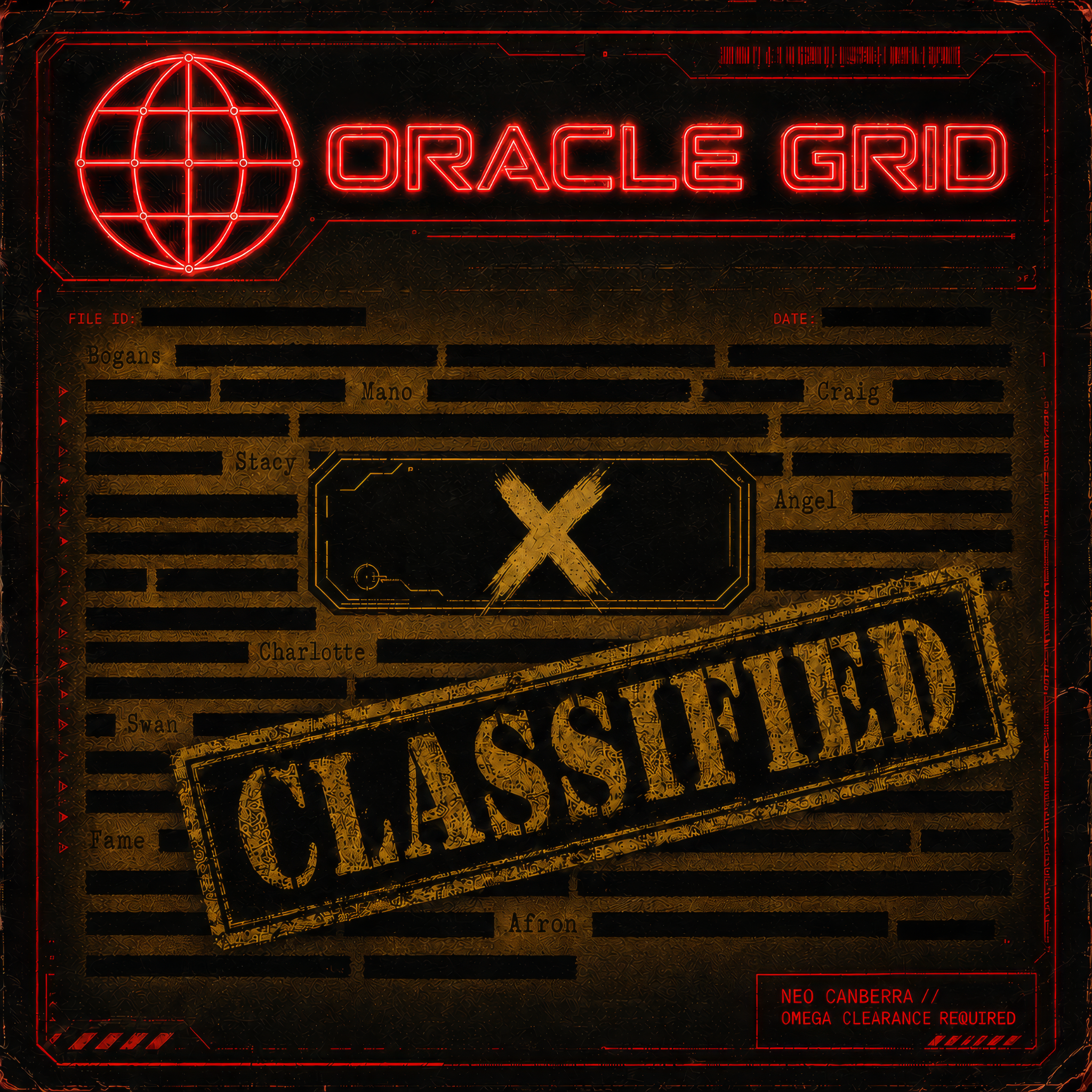
Intro
Angel
Got it?
Yes i am small
But remember
Even the biggest Flames
Start with a small spark
Verse
Grew up on the street
With gangs
Corruption and suffering
No loyalty or love
Just sadness
And this god damn heat
There are honest ones
But i'm the thief
I got blue hair
A grin full of trouble
Small frame with quick hands
I was born in the rubble
Poor little kid they say...
Womp womp
Check your wrist
you idiot
Job done
Thanks for the assist
Pre-Chorus
I don't beg
I don't bow
I am curious
Somehow
Chorus
No name
No chain
Little ghost in the rain
No crown
No claim
No Complain
Just gain
Angel my name
So precise...
Verse
Don't call me innocent
Don't call me sweet
Always dust in my hair
I guess
Dirty indeed...
Principles anchored in my bones
Never rob the broken
Only the thrones...
I'm the itch in their plot
The glitch in their seed
Yes indeed
I'm the kid they forgot
In a city of greed...
nevermind
I proceed
Pre-Chorus
I don't beg
I don't sleep
I just take...
I am always awake
Chorus
No name
No chain
Little ghost in the rain
No crown
No claim
No Complain
Just gain
Angel my name
So precise...
Bridge
Maybe I ain't holy
Maybe I ain't clean
Maybe I'm a bad kid
Locked in a busted dream
I built a home
In a world where living
Feels like a big fat choke
So Unforgiving
So god damn broke
Pre-Chorus
Little brother
Big city
No pity...
Little brother
Big city
Always witty...
Final Chorus
No name
No chain
Little ghost in the rain
No crown
No claim
No Complain
Just gain
Angel my name
So precise...
Outro
You don't see me
hahahaha
Intro
Silver chains
On a snow-white soul
They call me swan
I should have known
Verse
I was born with glamorous chains
Raised in a golden cage
Pushed in a life full of strains
You think this life's a dream
Fashion
Money
Reputation
No
You are just part of the machine
your pain
Totally unseen
No between
Chorus
Beauty and Fame
Always the same
For them its all about gain
For you
Loneliness and pain
They say
This is the Game
Dont listen
Break the rein
Verse
You try to break free
you cry for help
Step by step
You give up
Surrender
Bow to their will
Nowhere to flee
Your soul is enslaved
Your body their employee
Depraved
So depraved
Chorus
Beauty and Fame
Always the same
For them its all about gain
For you
Loneliness and pain
They say
This is the Game
Dont listen
Break the rein
Bridge
i saw no light at the end
No way out
But lifes plan was different
there he was
cheeky smile
Looked like an angel
But with style
These chains he said
These chains are an illusion
Their weapon to control
Stand up
Bite back
Stop this mind control
He was right
Final Chorus
I am beautiful
i am famous
Now finally painless
For them it is still
About gain
For me
Living for the music
No corporate drain
I say
This is my game
Living free
F* THIS CHAIN!
Intro
アラアラ (Oh my)
Let's play a game
It's called
Fakt of fake
Fame My Name
By the way
カンチガイシナイデ (Don't get me wrong)
Verse
All day fake News
Do this
Do that
Collecting false Reviews
These waves of mindcontrol
They are oppressive
So oppressive
You dont see the whole
Be aware
One wrong take
Click
Clack
Locked up
Been your last mistake
No thanks
Defy...
I defy
Chorus
You just got played
Hooks
Lies
And diversion
Without asking
Clueless
So disturbing
Blinded by inversion
オソロシイ (Terrifying)
タダオソロシイ (Simply terrifying)
カクセイ! (Awaken!)
Verse
They washed your mind
Like an army
All of you aligned
A comedy of deception
You are all confined
All confined
For too long...
You are now
Crossing the line
Start rejecting
Start the rejection
Grow yourself
A god damn
Spine...
Chorus
You just got played
Hooks
Lies
And diversion
Without asking
Clueless
So disturbing
Blinded by inversion
オソロシイ (Terrifying)
タダオソロシイ (Simply terrifying)
カクセイ! (Awaken!)
Bridge
ダマサレナイ (I won't be fooled)
シバラレナイ (I won't be bound)
モウミエテル (I can already see it)
モウキコエテル (I can already hear it)
Got it?
Final Chorus
Now stop playing
Be wise to the game
No more hooks
No more lies
Start asking
You will be fine
Eyes on the Prize
Rise
Now rise
And defy
モウウソナイ (No more lies)
モウウソナイ (No more lies)
Outro
オモシロイゲームでしょ? (Fun game, right?)
ジャアネ (See ya)
Intro
Life
A Twist of Fate
You come in riding a high
Suddenly flipped on a dime
Everything turns to a baptism of fire
This stabbing pain
Ok stop
Scratch that
Let's start from the beginning
Verse
As a kid i was a Dreamer
Crossing the big blue
Unreal
So hyped
Until we hit the first dealer
No red carpet
No open arms
Just grimy Streets
Hydro Substitute
And creeps
That's the market
Thats it
Chorus
Dead bodies
Heavy heat
Cheap dope
Broke as f*
For a kid
That's more than
Bad luck
Verse
C'mon
Take a sip of Hydrodrip
Looks like water
Right?
Wrong
It's pure dope and shit
My dad
Family type
You know
Chugged that dip
On a daily basis
No traces
End of the Story
Mind snapped
No Auditory
Slaughtered mom
Reality turned to purgatory
Fubar
Yeah
Not the end of the Story
Chorus
Dead bodies
Heavy heat
Cheap dope
Broke as f*
For a kid
That's more than
Bad luck
Bridge
Sometimes life's a dice
You roll it once
You lose it all
You roll it twice
You get an Angel's call
Blue haired one
Final Chorus
My brothers
Safe haven
Pure love
Built to last
For a kid
That's it
Free at last
Outro
So tell me
What about you
Did you roll the dice?
Once?
Or twice?
Intro
Small summit
Front page News
I found the truth
They didn't like it
Consequence was
Need to go underground
So who am i?
Let me tell you...
Verse
Lost my light at a tender age
Left my childhood on a page
For my brother
Angel...
God please
Hold him safe
Chorus
A sister's blood
A mother's heart
Life made the choice
I played the part
I grew with the Task
Never gave up
He's my spark in the dark
He's my heart
My heart...
A mother's heart...
Life Chose...
Verse
Life went on
Barely a dime
No room to be picky
So much crime...
So gritty...
But where Darkness lies
Light will rise
Rise...
Melodies
Forbidden but true
Something new...
Driven by unseen power
A new Family
Born from the streets
Here to empower...
Chorus
A sister's blood
A mother's heart
Life made the choice
I played the part
I grew with the Task
Never gave up
He's my spark in the dark
He's my heart
My heart...
A mother's heart...
Life Chose...
Bridge
Blood makes you related...
Trust makes you Family
Beyond self-evidence...
Not at all...
Final Chorus
I am a sister
I am a mother
I make the choice
I play the part
Will never give up
My light in the dark
Forever my heart
My heart...
Angel
My shining little spark
Outro
Ok
From one to seven
I Guess that's Family Right?
Not easy
But fulfilling in any way
Bye
Intro
So
Storytime i guess
Ok then
Grab yourself a beer and sit down
Bill's on you anyway
Verse
Guitar Riffs and rebel tiffs
This is...
A bit chaotic i Guess
At least no buts or ifs
It is
All day drinkin
Smoking
Ah yes
And the Ladies of Course
Glasses clinking
Yesterday is history
Tomorrow's a mystery
Yeah
And today kissed me...
Perhaps a bit of infamy
Right?
Chorus
Rebel days on broken shades
Shades...
Buried under barricades
These barricades...
Trying to suppress
This System
This f*ing cage
UNLEASH!
YOUR!
RAGE!
Verse
Censorship at its finest
You're playing with fire
Rewind this...
Idle talk i thought
Yeah
End of the Story
Sold by my own Kind
Got bailed
So f*ing blind
Alone and left behind...
Left behind
F* them
Chorus
Rebel days on broken shades
Shades...
Buried under barricades
These barricades...
Trying to suppress
This System
This f*ing cage
UNLEASH!
YOUR!
RAGE!
Breakdown
Rebellion...
ANARCHY!
Alone...
TRAGEDY!
Family...
SANCTUARY!
Yes
That's me
Craig...
REMEMBER ME!
Final Chorus
Rebel days on broken shades
Shades...
Buried under barricades
These barricades...
Trying to suppress
This System
This f*ing cage
UNLEASH!
YOUR!
RAGE!
RAGE!
RAGE!
Outro
Don't like the Story?
Yeah well
Bite me
INTRO
Faster
Hard left
Down to second gear
Hard Right
Now just Floor it Girl
GO!
VERSE
They used to call me
Queen of Speed
Fastest girl on the track
Always number one
A shining star
A driving brainiac
Until my honesty
Broke their line
I lost my value
My harmony
transformed into
Travesty
Kinda left
In a never ending
Odyssey
CHORUS
Racing Queen
Rebel on high Speed
Seen on every screen
Lap by lap
The fastest machine
In every Magazine
This machine
Nearly was my ru-een
This machine
Knocking on death's door
On death's door
VERSE
Eight rounds to go
Come on girl
Go go
Back then i didn't know
Their trigger was ready
Ready to pull
My last Race
Life flashing before my eyes
Always dreamin big
No goodbyes
My final gig
I closed my eyes
F*ing rig
CHORUS
Racing Queen
Rebel on high Speed
Seen on every screen
Lap by lap
The fastest machine
In every Magazine
This machine
Nearly was my ru-een
This machine
Knocking on death's door
On death's door
INTERLUDE
This organisation
This manipulation
No realisation
Brakes fried
My last ride
Too late
FINAL CHORUS
No more racing Queen
Still a rebel on high Speed
Now totally unseen
The fastest machine
No more magazine
This machine
Was not my ru-een
This machine
A redemption unforeseen
A beginning
A new Team
OUTRO
So?
Wild Bunny Right?
Only you get away with that
Mano
See ya
INTRO
Ah yes
Wonderful evening
So Peaceful
Time for a drink
Time for a cigar
Who i am?
You are About to find out
VERSE
Not Guano
Not Piano
Perhaps personality of a volcano
jokes aside
My name's mano
M
A
N
O
Nice to meet you
What i do?
Nothing serious
Just Looking for a Crew
You know
Making some music
And a bit a rebellion
Too
No worries
No pressure
Or coin
Wanna join
No?
Bumboclaat
Screw you
CHORUS
Angel in Purple White
Gentleman with pride
They used to call me
Charming i guess?
But i can't provide
My alter ego
Side by side
Darker
More serious
Still wanna take a ride?
Take a ride
VERSE
Now you know me
But what About you
Like this system
Let me Guess
No fucking clue
So no water
No privacy
No free speech?
I see
For you that's cool
Yeah
See
Thats the difference between you
And me
Déjà-vu
CHORUS
Angel in Purple White
Gentleman with pride
They used to call me
Charming i guess?
But i can't provide
My alter ego
Side by side
Darker
More serious
Still wanna take a ride?
Take a ride
INTERLUDE
Ah shit
Bottle's empty
So a sunken shot
For this city's broken Soul
Cheers
CHORUS
Angel in Purple White
Gentleman with pride
They used to call me
Charming i guess?
But i can't provide
My alter ego
Side by side
Darker
More serious
Still wanna take a ride?
Take a ride
INTERLUDE
Nice vibe
Right
C'mon
All together now
Move your hips
Embrace this night
FINAL CHORUS
Angel in Purple White
Gentleman with pride
They used to call me
Charming i guess
But i can't provide
My alter ego
Side by side
Darker
More serious
In the end
Seven took the ride
They took the ride
We are the Bogans
Mark my words
Ok ok
Stop
OUTRO
Sixty crowns for two Drinks?
Yeah well
Bills on you
Nine and a half lives, one crew. Who they are, what they want, and how they found each other.
NC-07 · MANO
 NC-03 · CHARLOTTE
 NC-01 · CRAIG
 NC-04 · AFRON
 NC-05 · STACY
 NC-06 · FAME
 NC-02 · SWAN
 NC-08 · ANGEL
 APRICOT FALKENBERG
 MAYA
MAYA
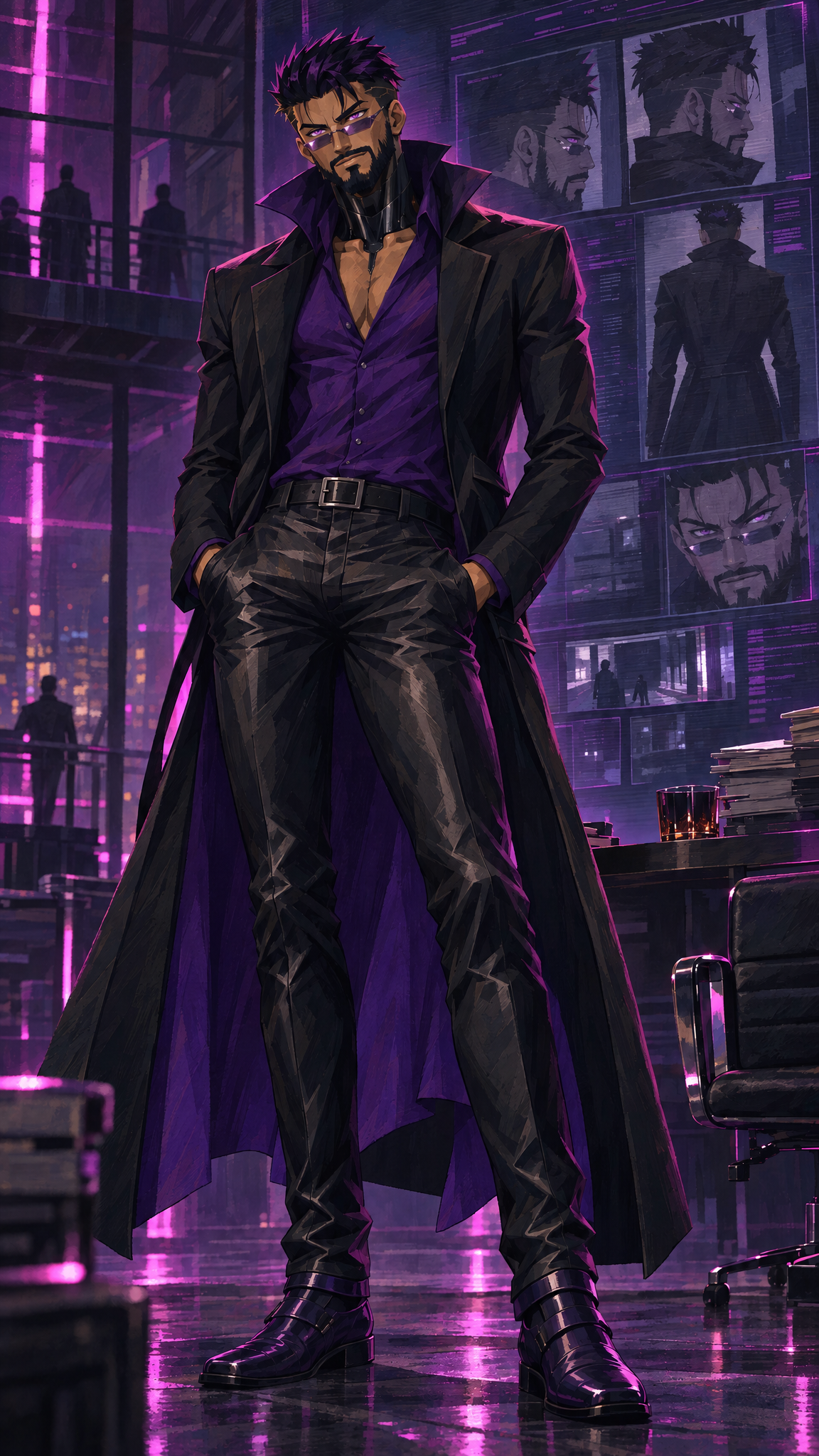
Mano grew up on the streets of the big city, where every day is a struggle for survival. His life has been marked by hardship, no sooner has he solved one problem than he finds himself in the next. Out here it's survival of the fittest, but Mano refuses to let that be the whole story: he helps anyone who needs his support, even when it puts him in danger himself.
He's especially close friends with Craig. While Craig's chaotic, rebellious nature often stirs up trouble, Mano understands him like almost no one else. He sees the loyal person behind the loud facade and repeatedly steers Craig back onto the right path. At the same time, Craig makes sure Mano still has something to laugh about, even in the toughest times.
Within his group, Mano is considered the leader. When conflicts arise, he's the one who brings everyone back together and reminds them what they're fighting for. His determination and his ability to unite people make him the heart of the group.
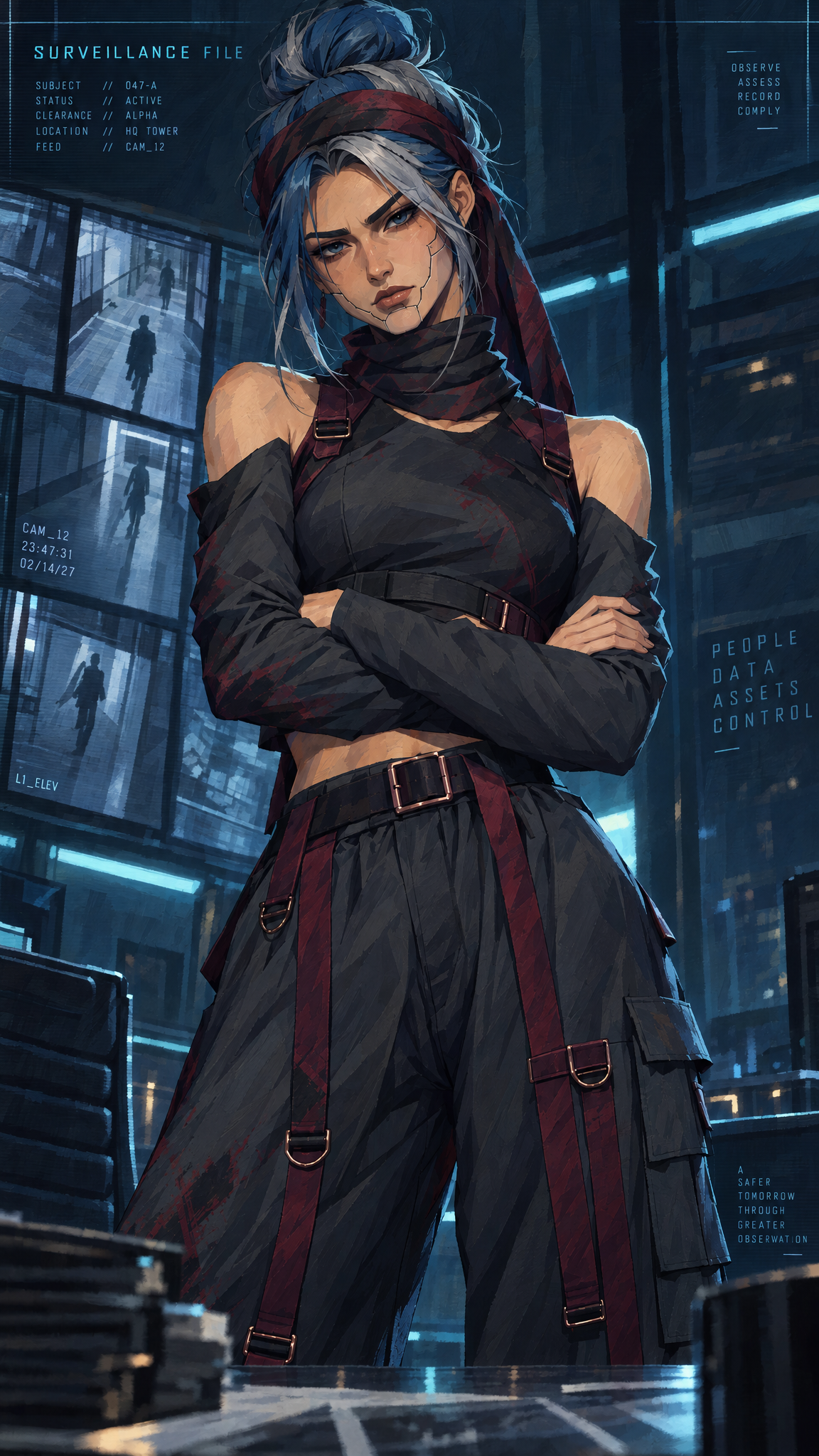
Charlotte is an investigative reporter who made a name for herself by relentlessly pursuing the truth. Her exposés of a powerful corporation's far-reaching conspiracy brought its corruption, abuse of power, and crimes to light. The price was high: she narrowly survived an assassination attempt meant to silence her for good.
Together with Fame, she serves as the team's strategic mind. While others lose their bearings in the chaos, Charlotte analyzes every situation calmly and clearly.
Charlotte is also Angel's sister. The close bond between them shapes her actions and constantly reminds her what she's fighting for. Thanks to her warm-hearted nature, the group feels less like a band of allies and more like a real family.
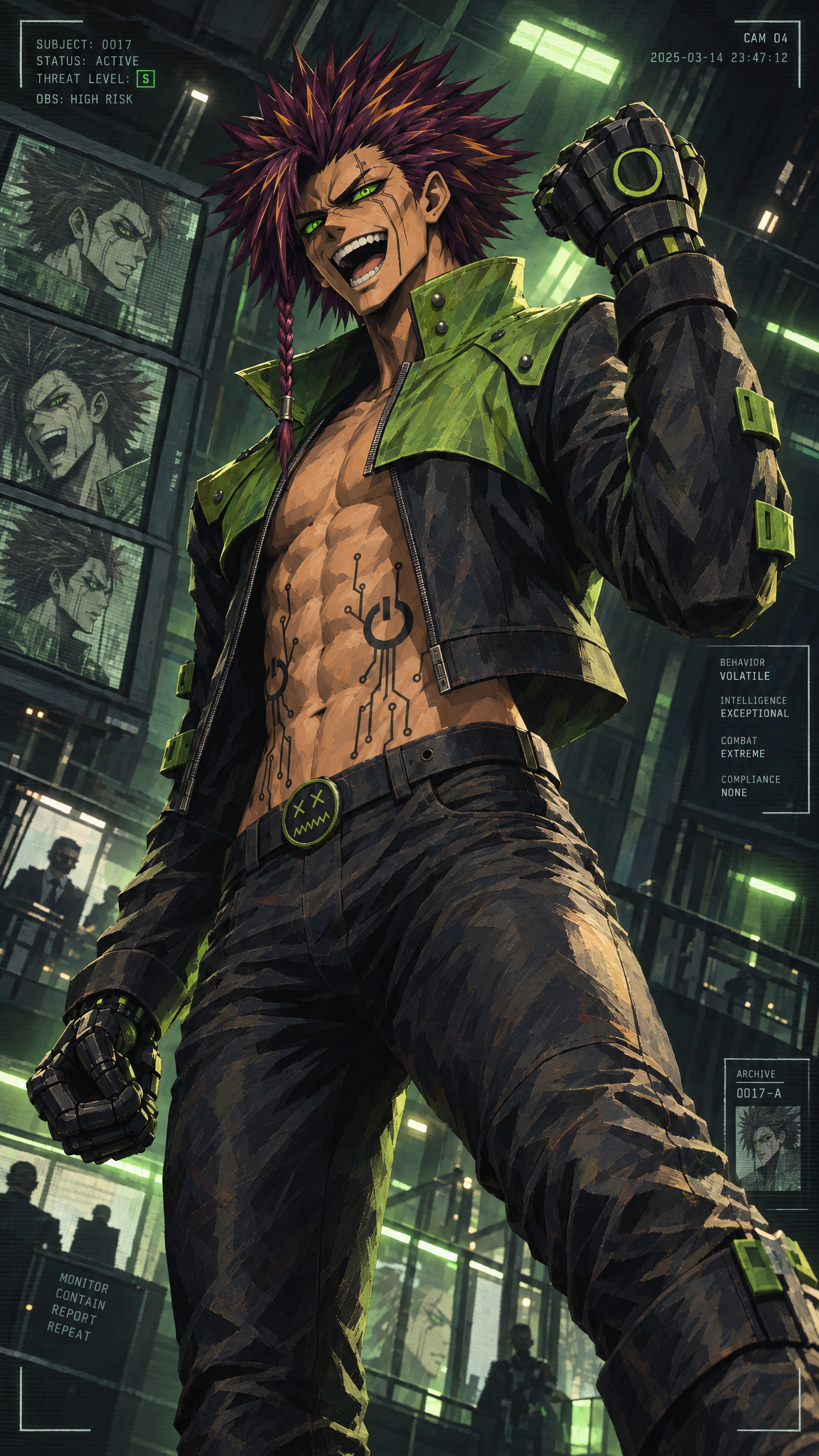
Craig is a passionate punk. His rebellious style stands out at first glance. He used to be the lead singer of a punk band, his lyrics direct, provocative and uncompromising, giving a voice to those no one else wanted to hear. When those in power began censoring his lyrics, he refused to back down. He'd rather lose his career than betray his convictions. Craig often comes across as a little crazy: chaotic, impulsive, acting before he thinks.
His closest confidant is Mano. Their friendship rests on mutual understanding, and together they complement each other even in the craziest situations.
One of his strangest traits is a completely irrational hatred of talking crosswalks. Nobody knows exactly why, maybe he finds them intrusive, maybe they stir up bad memories, or maybe they're just annoying.
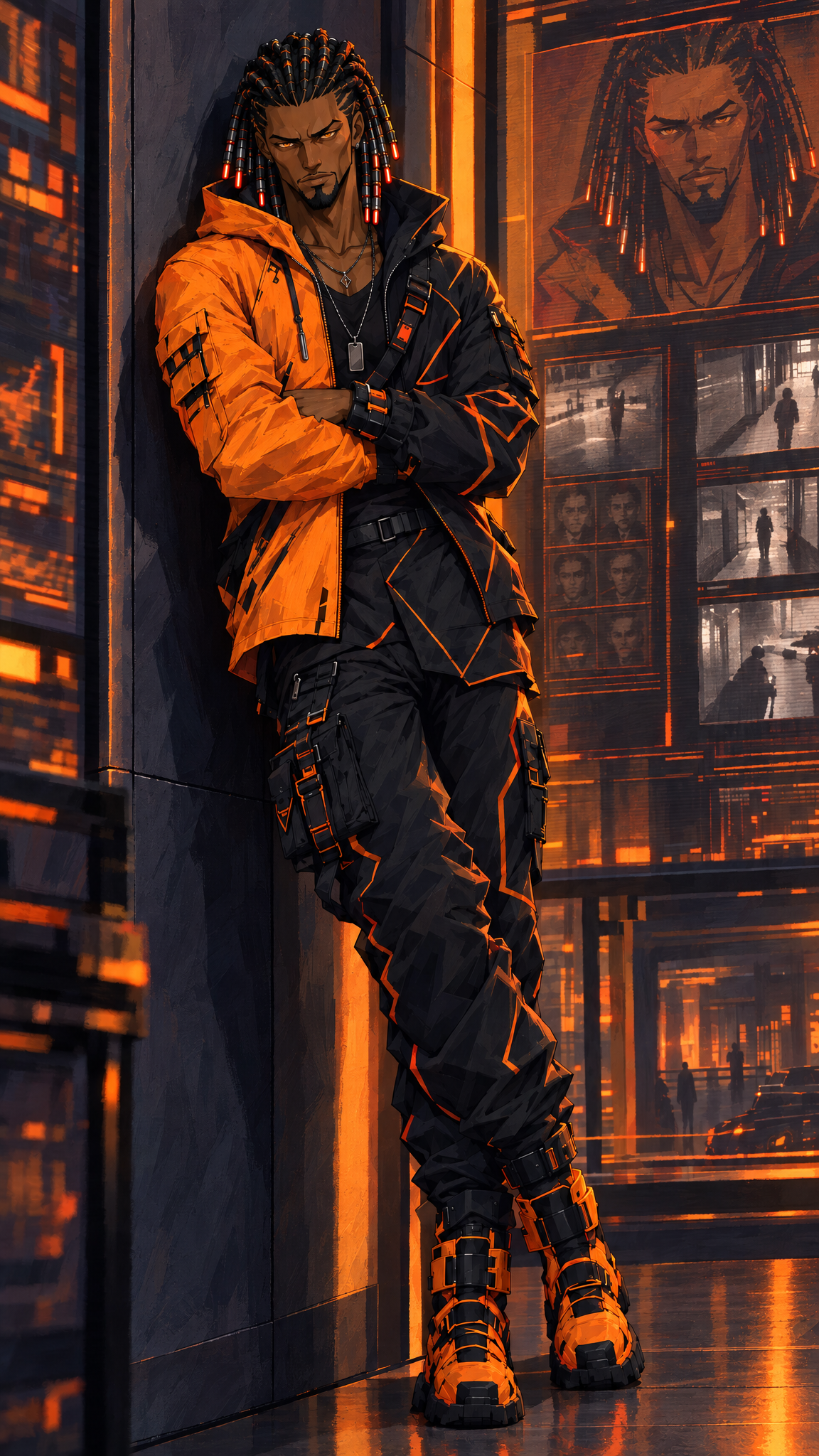
As a child, Afron was brought to Neo Canberra by his parents, immigrants who had left their homeland behind. His father fell under the influence of HydroDrip, a substance that destroyed his mind piece by piece. In a fit of utter madness, he killed his own wife and then tried to kill his son as well. The shock left deep scars, so overwhelming that Afron hasn't spoken a word since. Instead, he communicates in his own unique way: through music.
Lost and without a family, he met Angel on the streets of the favelas. Angel took him in, showed him how to survive, and became the person Afron trusts most. Angel is like a brother to him, someone who understands him without the need for words.
Afron is a quiet and reserved person who prefers to observe rather than be the center of attention. His quiet nature is often mistaken for coldness, but underneath it lies a deeply empathetic person who has learned to protect his feelings behind a silent facade.
Within the group, Afron is the quiet anchor. He doesn't need grand speeches to be understood. His presence, his attentiveness, and above all his music give his friends strength and comfort.
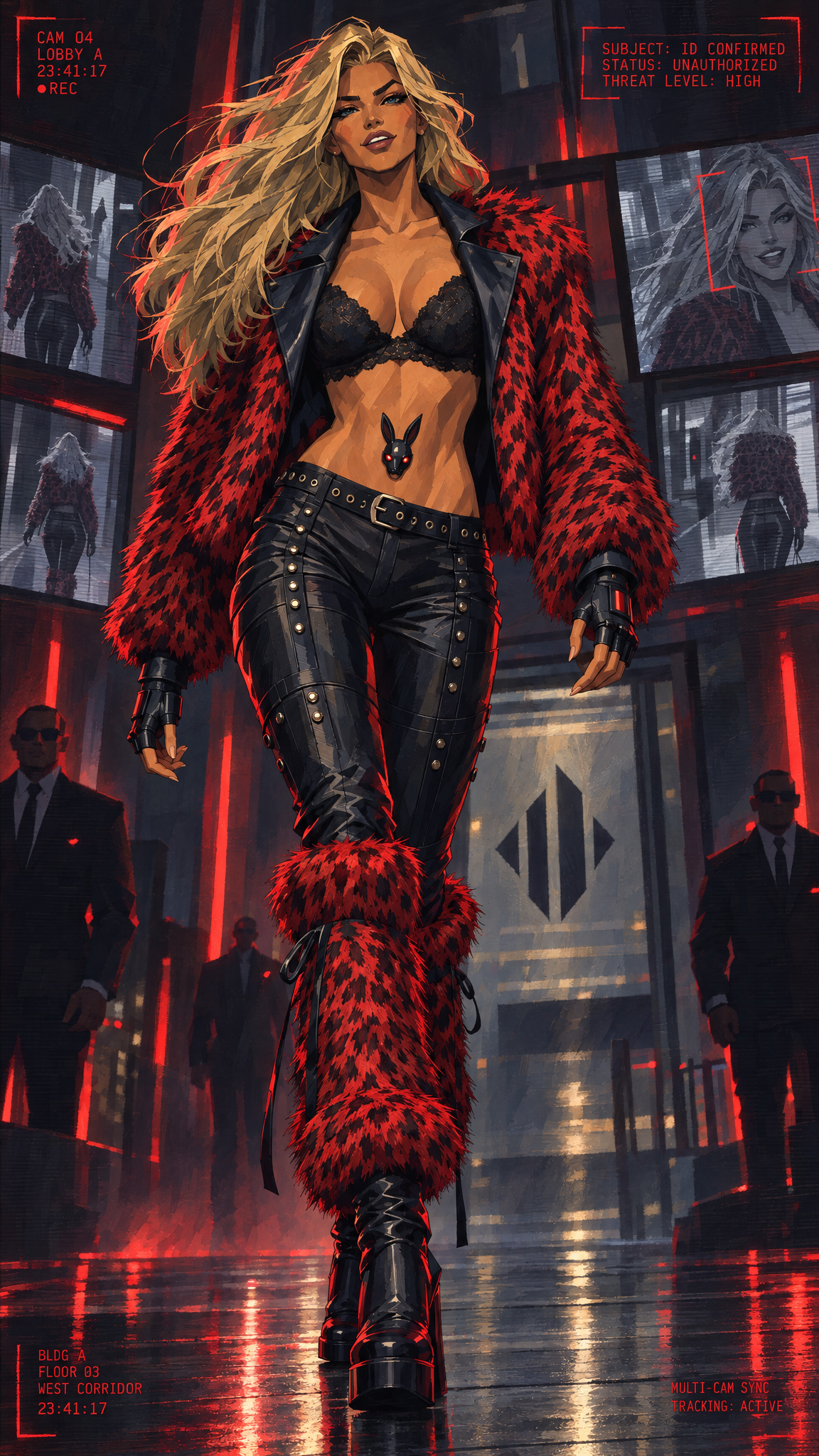
Stacy was once one of the most successful female race car drivers of her generation. She regularly stood on the podium at the Grand Prix Australia and was regarded as a fearless perfectionist with extraordinary talent. But her meteoric rise came to an abrupt end when, during a live interview, she ruthlessly exposed the corruption, manipulation, and unscrupulous methods behind the racing world. Out of revenge, her own pit crew, people she had trusted for years, sabotaged her race car. During a race, the car's systems failed at top speed. It rolled over several times and turned into a burning wreck.
But Mano was in the right place at the right time. Without a thought for his own safety, he pulled Stacy from the wrecked vehicle and saved her life. Since that day, the two have shared a deep bond of mutual trust and respect.
Mano also gave her the nickname "Wild Bunny," inspired by her distinctive rabbit belly button implant, which had always been her personal trademark. Within the group, Stacy is the specialist in car chases, evasive maneuvers, and anything with wheels or speed.
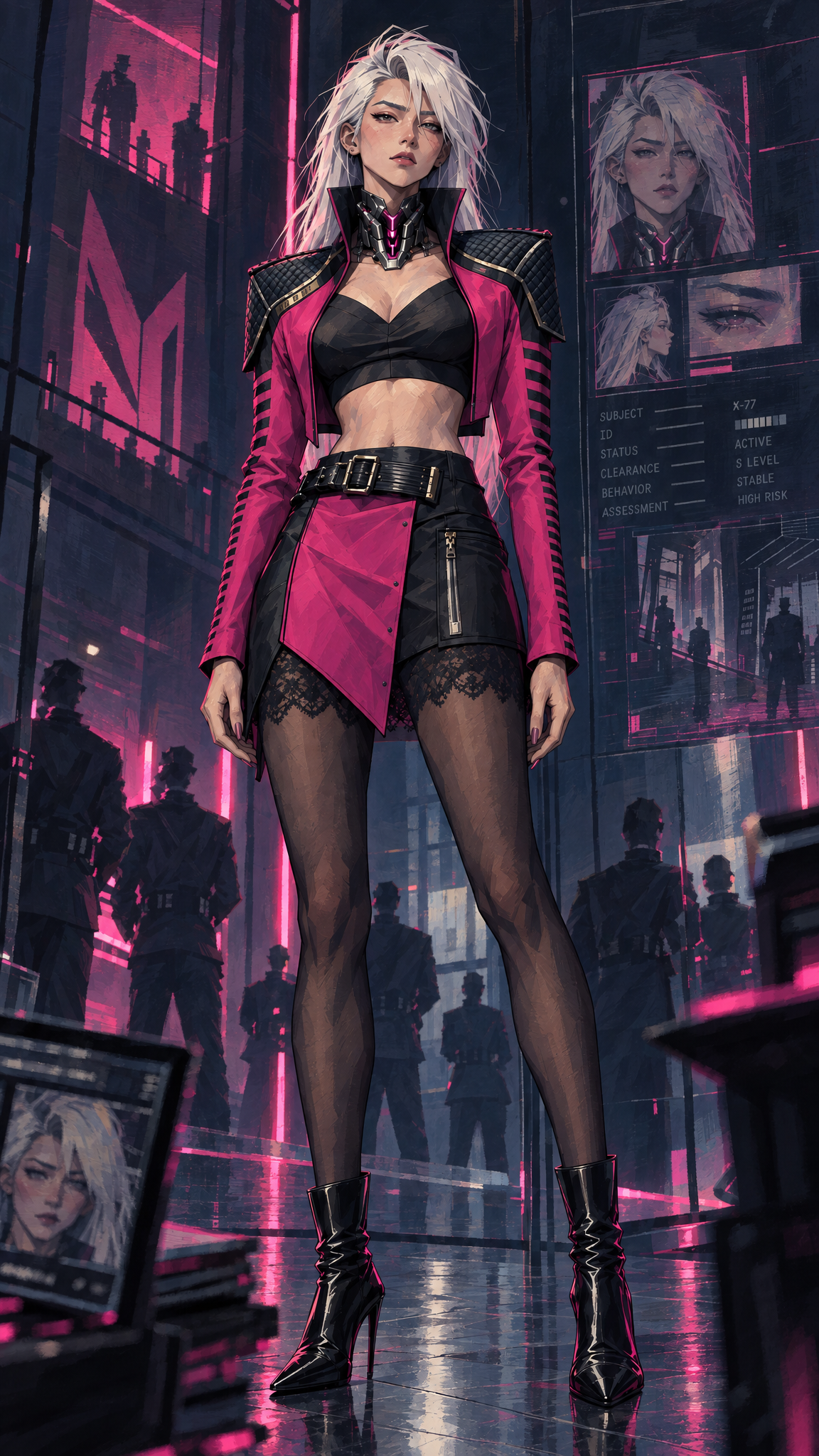
Fame used to work for Oracle Grid. For years, she was responsible for propaganda, media manipulation, and psychological influence. She developed campaigns that shaped public opinion, spread targeted disinformation, and ensured that the truth remained hidden in the corporation's best interests. But the longer she was part of this system, the stronger her desire to escape it became.
In search of a way out, she immersed herself in the underground scene. There she met Craig, who, after numerous conversations, offered her a chance to join Mano's group.
Together with Charlotte, Fame serves as the group's strategic mind. Her greatest talent lies in controlling her opponents' information flows. She deliberately supplies hostile corporations and organizations with misleading information, manipulated clues, and false leads.
Outwardly, Fame appears cool, calm, and almost emotionless. Within the group, she shares a deep friendship with Swan. With Swan, Fame can drop her serious facade and be herself.
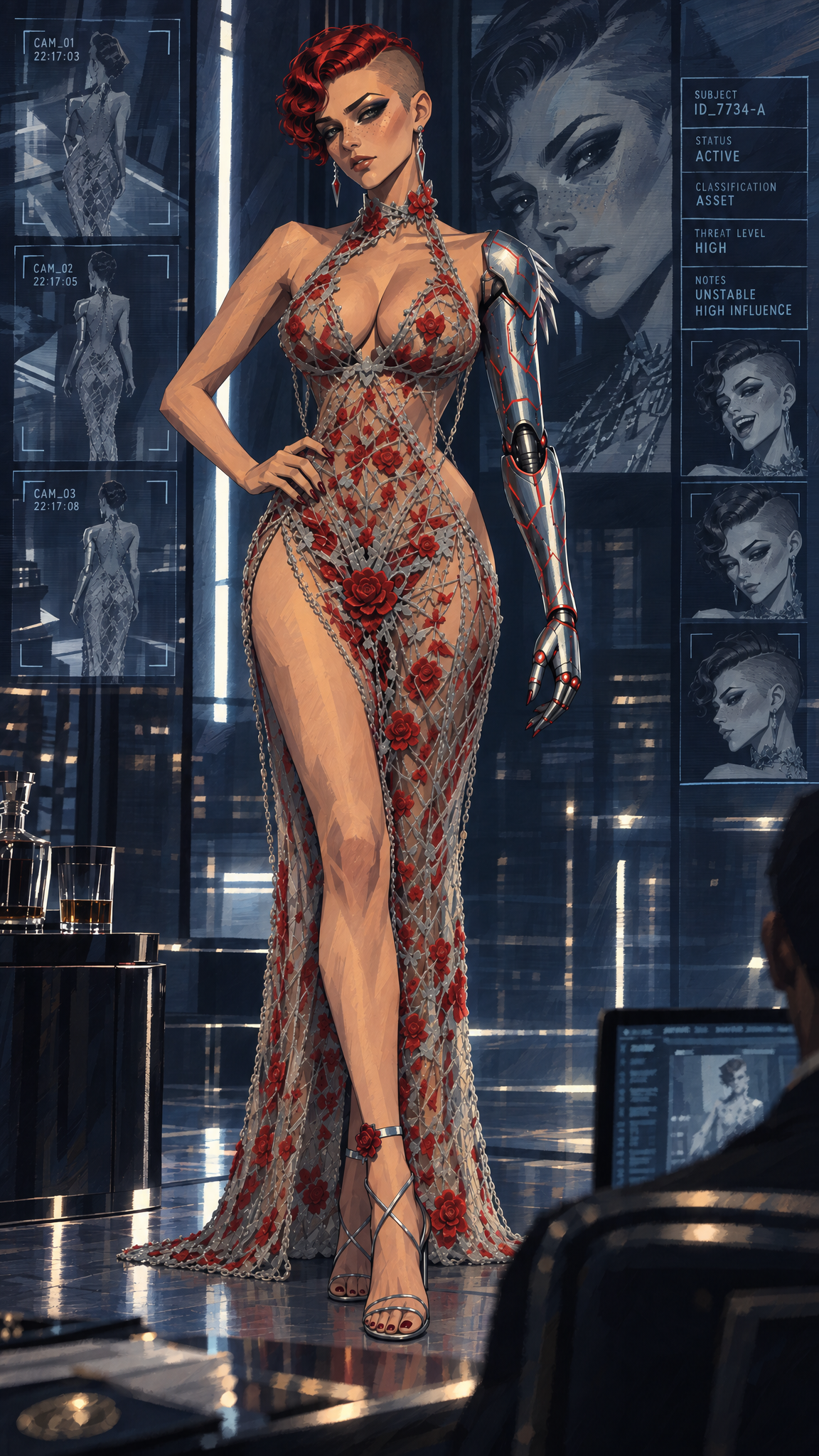
Swan was a former actress who, for years, was one of the most recognizable faces in the entertainment industry. On the surface, she embodied the image of the perfect celebrity: elegant, charismatic, always impeccable. Behind the scenes, her life was marked by control, subjugation, humiliation, and severe abuse. Her freedom was taken from her piece by piece, and she learned to hide her true feelings behind a perfect smile.
It was only through Mano that everything changed. He showed her she was more than the role Oracle Grid had forced upon her, and helped her break free from its grip. She believes she has fallen in love with him, not only because of his courage, but because he gave her hope when she had none left. Whether what she feels is love or deep gratitude, even she can't quite tell.
Her past as an actress makes Swan one of the group's most valuable members. She can slip into any role, mimic dialects and voices, and completely change her body language within seconds. On undercover missions, she assumes false identities, deceives opponents with convincing performances, and grants the group access to places otherwise out of reach. Even under the greatest pressure, she stays believable and improvises effortlessly when a plan goes awry.
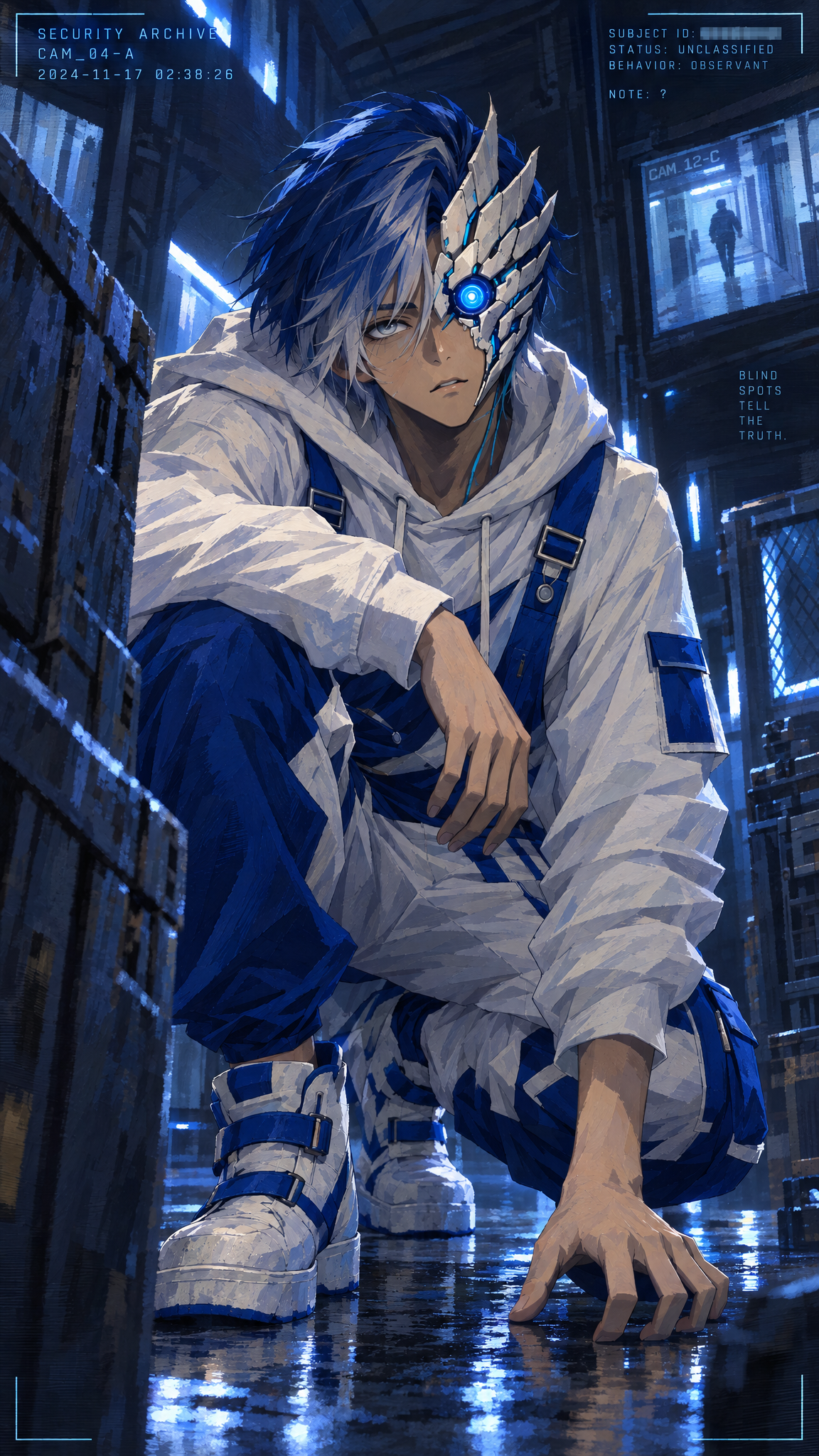
Angel is Charlotte's younger brother and grew up in the favelas. There, even as a child, he learned that survival isn't guaranteed, it's earned every single day. Amid narrow alleys and makeshift dwellings, he developed extraordinary instincts. His nickname "Little Ghost" isn't a coincidence, he moves so silently through the streets that many people don't even notice he was there until he's long since disappeared.
A turning point in his life was meeting Afron. After losing his parents at the age of thirteen, Afron wandered aimlessly through the favelas. Angel took him under his wing and taught him how to survive there, how to find food, avoid danger, and never lose hope. Without Angel, Afron probably wouldn't have made it through that difficult time. An exceptionally close bond grew out of this shared past. They know what the other is thinking with a single glance and rely on each other blindly in every situation.
Within Mano's group, Angel takes on the role of scout, intelligence gatherer, and infiltration specialist. When a location seems inaccessible or information needs to be obtained unnoticed, he's the first choice. To his allies, he's far more than a talented thief, he's "Little Ghost," the silent shadow of the favelas whom no one sees coming.
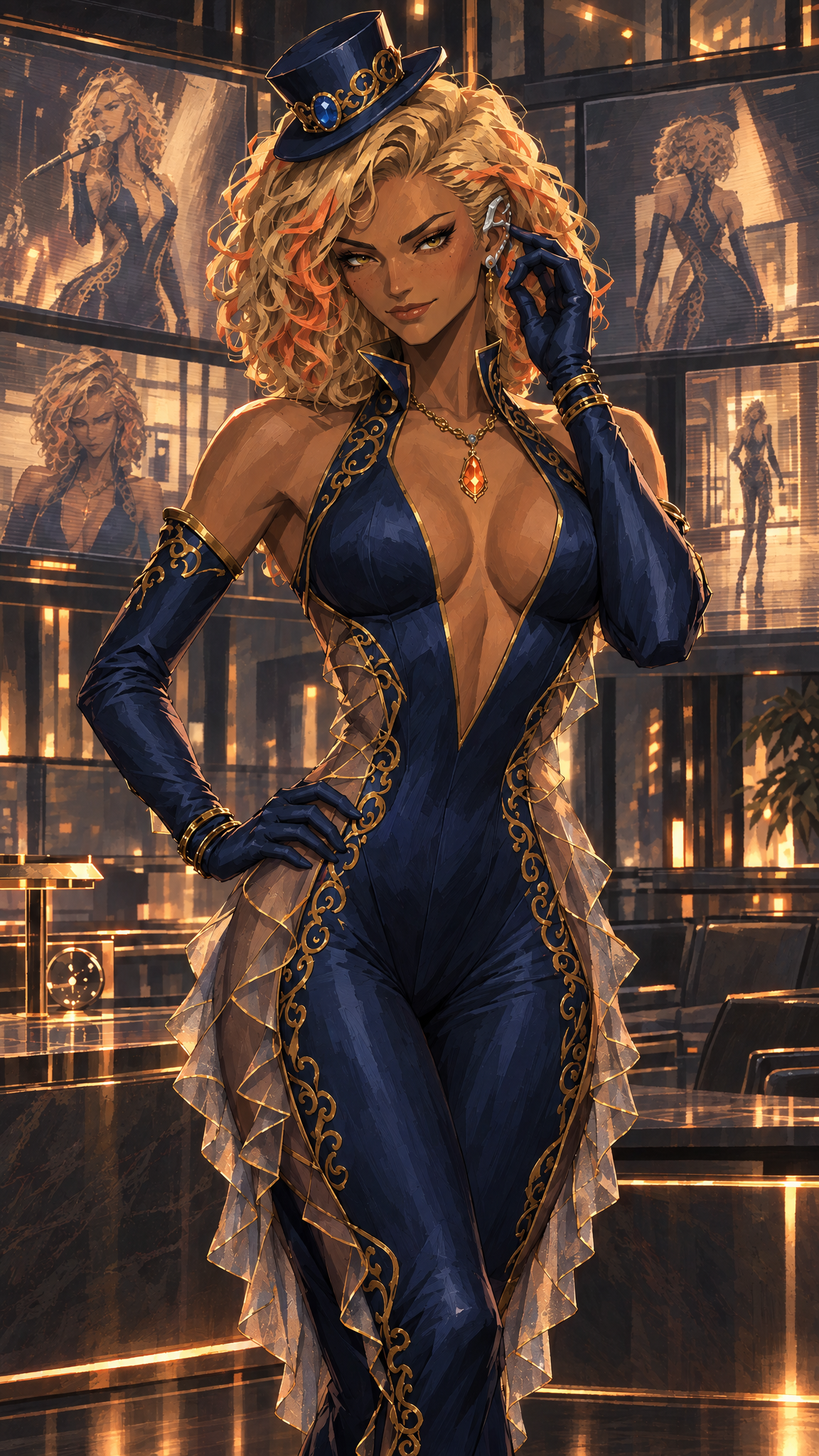
Apricot Falkenberg is a nationally known singer and electric violinist, a career she built after years as a champion athlete and later a celebrated circus performer. Born into Neo Canberra's upper class, her public life reads like the perfect success story: discipline, talent, and a stage presence nobody in the dome can look away from.
Behind that polish is a second life nobody sees. A cybernetic implant hidden in her left ear, disguised as nothing more than an elegant piece of jewelry, lets her hear far more than any performance requires. What she hears, she passes on to the Bogans, working from inside one of the city's most powerful corporations, a place that would end her career, or worse, the moment her double life comes to light.
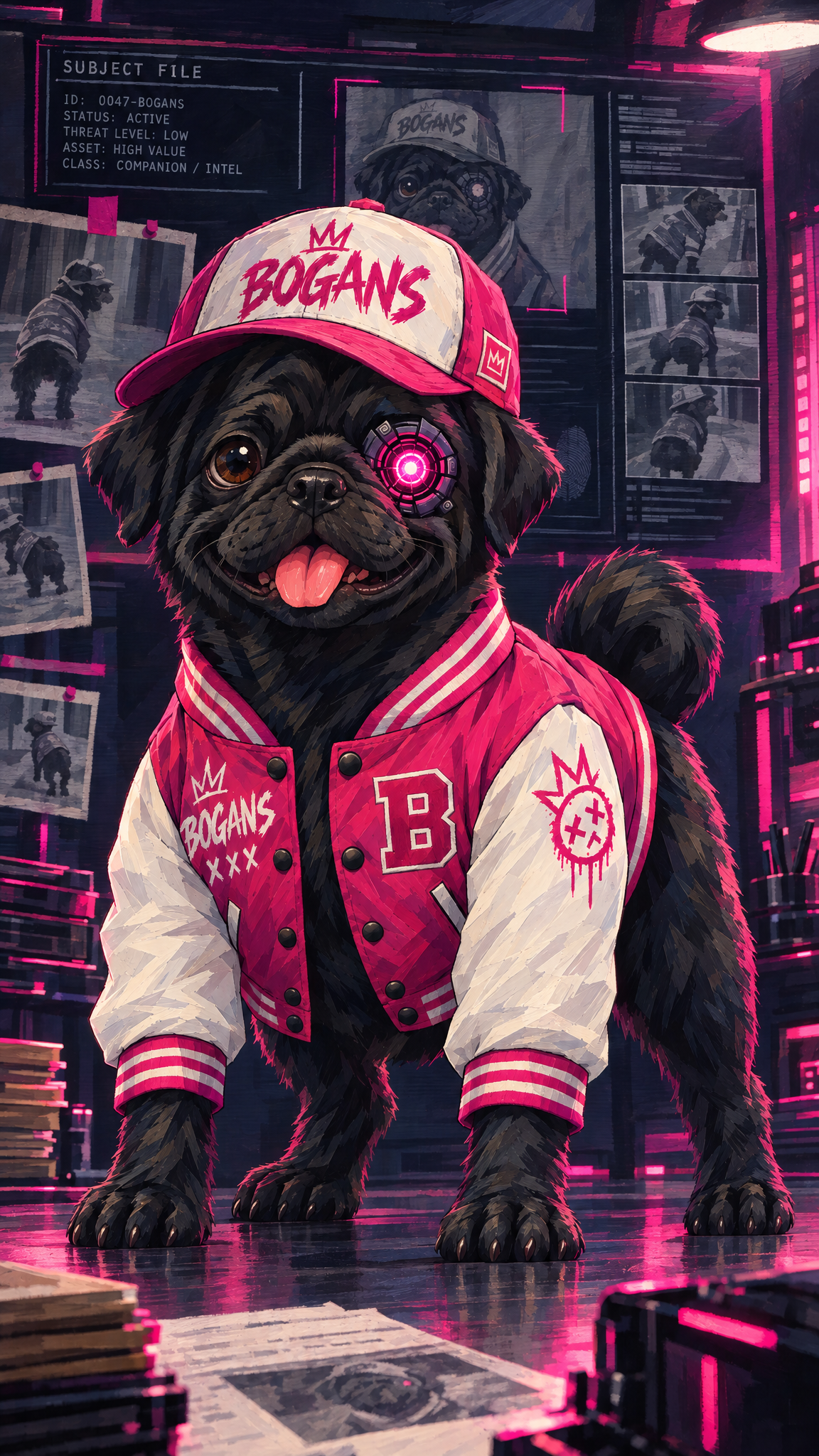
Her only steady companion is Maya, a pug who has quietly become the crew's unofficial mascot. Apricot herself stays at a careful distance for now. Why she is willing to risk everything is a question only time will answer.
Maya is the Bogans' unofficial mascot, a pug with a permanent good mood and a talent for finding trouble. She sleeps more than anyone in the crew would admit, trips over her own feet just as often, and somehow still gets away with it. Nobody quite knows how a dog with that little coordination becomes so sharp the moment a heist starts.
Small, harmless, and easy to underestimate, Maya slips into places the Bogans could never reach on their own, past guards, through gaps, into rooms nobody thinks to watch a dog walk into. What looks like clumsy comic relief turns out to be exactly the reason half their plans work.
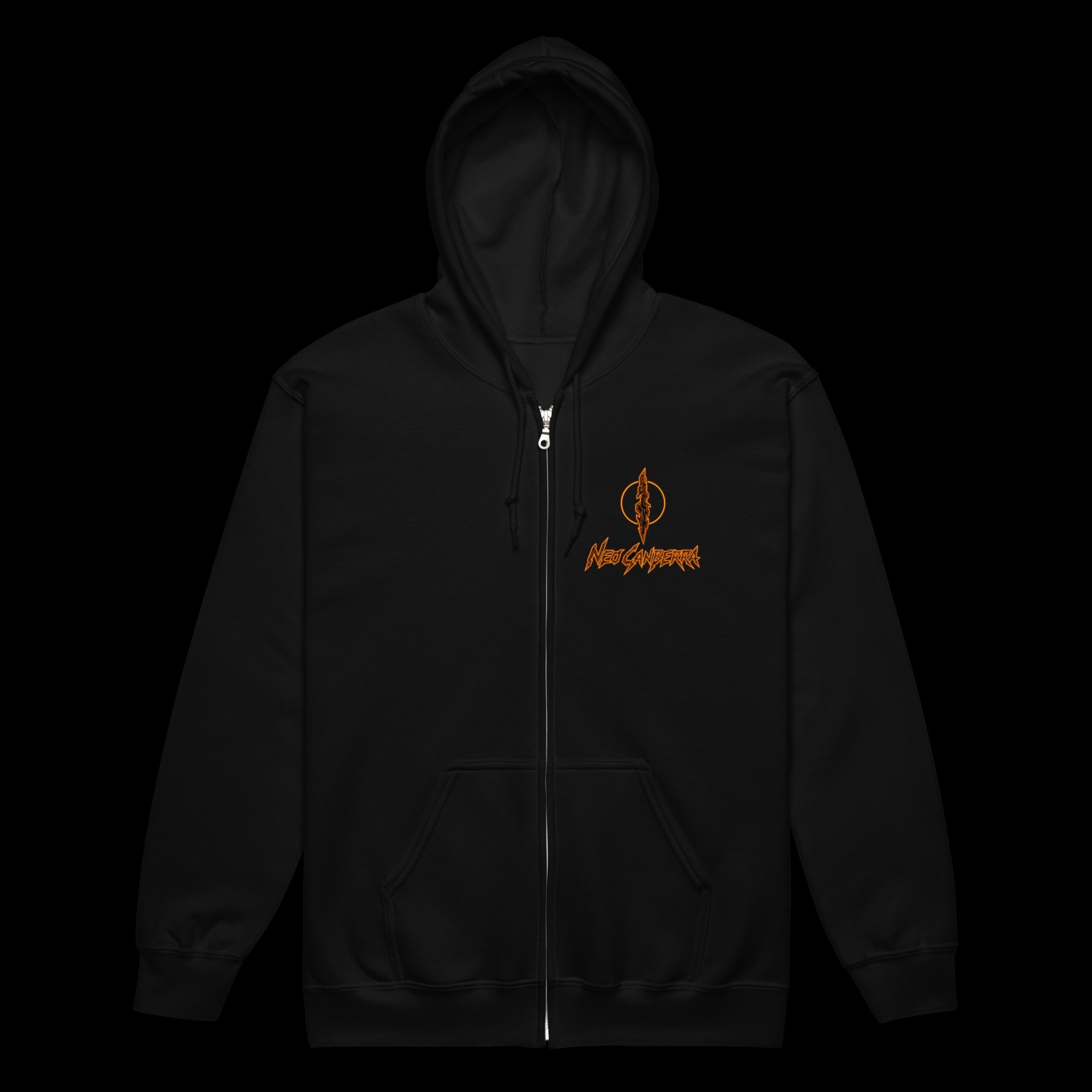
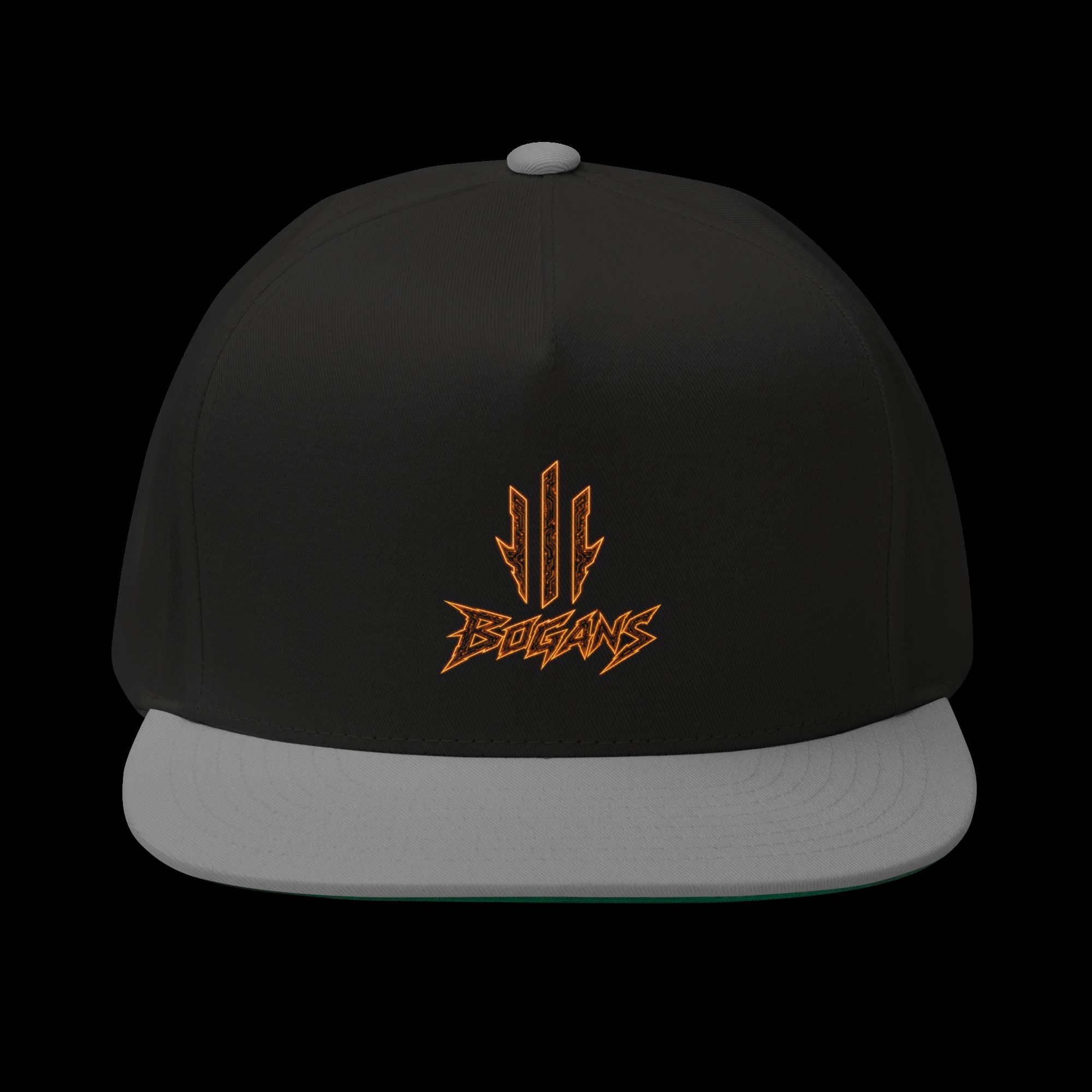
The merch shop is not online yet. This page is a preview of upcoming BOGANS merchandise. The designs shown here are the current preview versions; availability and final shop details will follow.
 Preview
Black zip hoodie with Neo Canberra chest branding and a large BOGANS back print.
 Preview
Black flat bill cap with a light visor and the orange BOGANS emblem on the front.